Fuels in Balance: How to Assess Car Economics Without Talking About Prices

Fuels in Balance: How to Assess Car Economics Without Talking About Prices
When Americans talk about cars, the conversation often turns to dollars and cents. But car economics is about more than sticker prices and financing deals. It’s also about how a vehicle fits your driving habits, energy use, and daily life. By looking at the bigger picture—beyond the bottom line—you can get a clearer sense of what’s truly the most economical choice for you.
Think in Needs, Not Just in Fuel
The first step is to consider how you actually use your car. Do you mostly drive short city trips, or do you commute long distances on highways? Can you charge at home, or do you rely on public fueling stations?
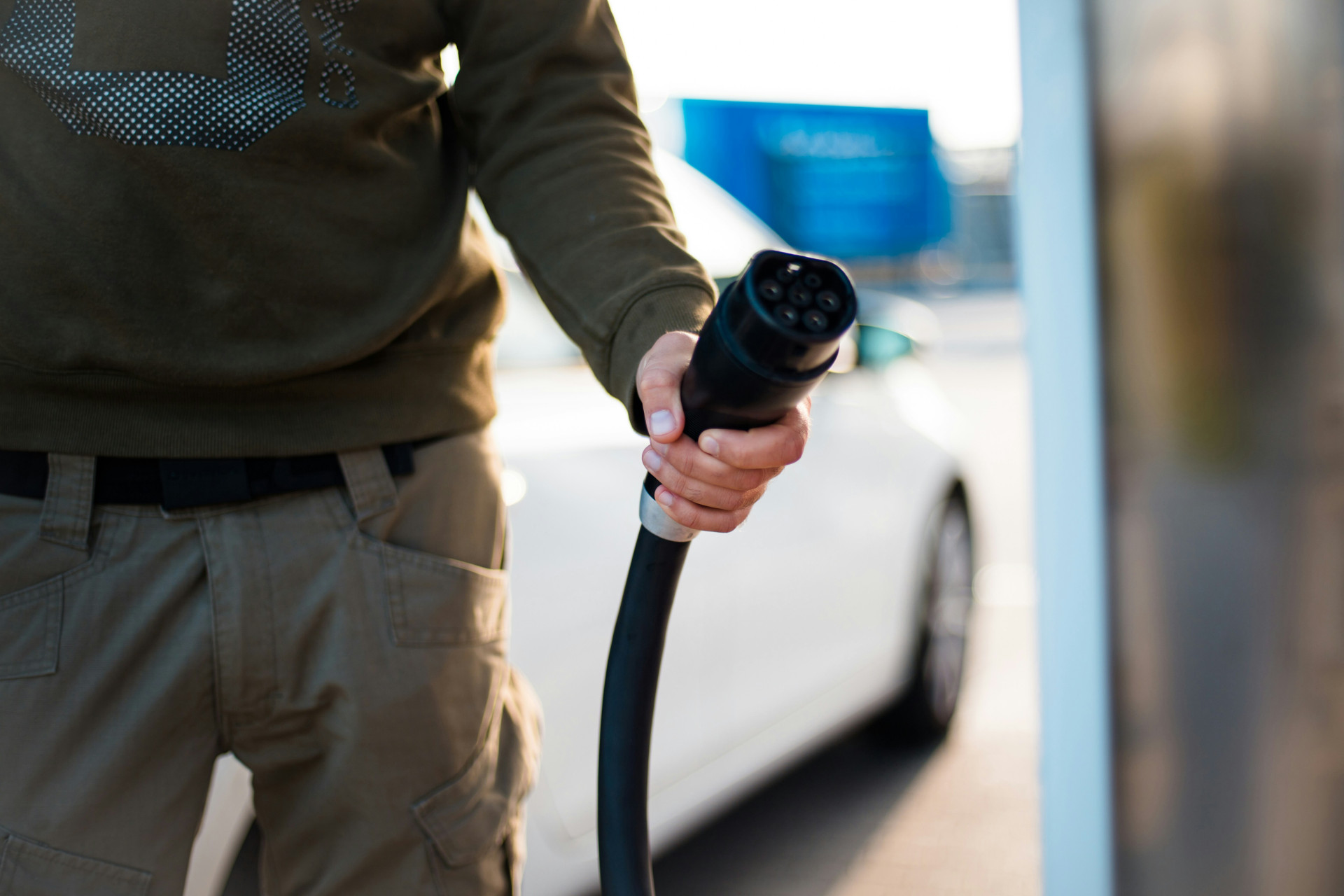
- City driving and short trips: Electric vehicles (EVs) and plug-in hybrids shine here. They use energy efficiently at low speeds and during frequent stops.
- Long commutes or road trips: A modern gasoline or diesel car can still be the most practical option, especially if charging infrastructure is limited along your route.
- Mixed driving: Hybrids can offer a balanced solution, combining electric power in town with the range of a combustion engine on the open road.
Assessing car economics, then, is about matching the fuel type to your driving pattern—not about chasing the lowest price per gallon.
The Energy Behind the Wheels
Another key factor is how the energy that moves your car is produced and used. An EV runs on electricity, but that electricity can come from many sources—solar, wind, natural gas, or coal. A gasoline car relies on refined petroleum, but today’s engines are far more efficient than those of the past.
It’s worth thinking about the origin and efficiency of the energy. How much energy is lost before it reaches the wheels? How much of what you consume actually turns into motion?
By focusing on energy rather than gallons or kilowatt-hours, you gain a more nuanced view of how effectively your car uses resources.
Maintenance and Longevity
Car economics also depend on what your vehicle demands over time. EVs have fewer moving parts and generally require less maintenance, while combustion engines have more components that wear out. On the other hand, an EV’s battery can lose capacity over the years, affecting range.
Consider how long you plan to keep your car and how much you drive. A vehicle that fits your usage pattern will often be the most economical—regardless of its fuel type.
Comfort, Driving Experience, and Daily Rhythm
Economy isn’t just about efficiency—it’s also about experience. A car that feels comfortable, quiet, and suited to your lifestyle adds value that can’t be measured in numbers.
EVs often deliver smooth, silent acceleration, while gasoline and diesel cars offer longer range and quick refueling. The right choice depends on what makes your daily routine easier and more enjoyable.
When you feel at ease behind the wheel, you use your car more effectively—and that, too, is a form of economy.
Læs også:


Environment and Future Readiness
Finally, there’s the question of sustainability. A car that emits less CO₂ can be an investment in the future—both for the planet and for your peace of mind.
But environmental impact isn’t just about tailpipe emissions. Manufacturing, transportation, and recycling all play a role. A smaller, well-used car can sometimes be more sustainable than a larger model with greener technology.
Thinking in balance means considering the entire life cycle of the vehicle—from factory to recycling yard.
A New Way to Think About Car Economics
Evaluating car economics without talking about prices means seeing your vehicle as part of your life rhythm. It’s about finding the solution that makes sense for you—day to day, on the road, and in the long run.
When you choose your fuel type thoughtfully, you’re not just buying a car. You’re choosing a way to move that’s in balance with your needs and the resources you use.
Læs også: