Halls of Legends: The World’s Most Famous Casinos and Their Significance in Gaming History

Halls of Legends: The World’s Most Famous Casinos and Their Significance in Gaming History
Casinos have always been more than just places to gamble. They are symbols of glamour, risk, and humanity’s enduring fascination with luck. From the gilded halls of Monte Carlo to the neon glow of Las Vegas, casinos have shaped culture, architecture, and entertainment history. In this article, we explore some of the world’s most legendary casinos—and how each has left its mark on the evolution of gaming.
Monte Carlo Casino – The Playground of Aristocracy
When it comes to timeless casino elegance, Casino de Monte-Carlo in Monaco stands unmatched. Opened in 1863 under the vision of Princess Caroline, it was designed to rescue the principality’s struggling economy. It quickly became a gathering place for Europe’s elite, where roulette wheels spun beneath chandeliers and fortunes changed hands in whispers.
Monte Carlo became synonymous with refinement: tuxedos, evening gowns, and an air of exclusivity. It set the standard for luxury gaming and inspired countless films and novels that used its opulent halls as a backdrop for intrigue and sophistication. The casino’s legacy endures as a symbol of old-world glamour and the origins of modern gaming culture.
Las Vegas – The Desert That Became the World’s Gaming Capital
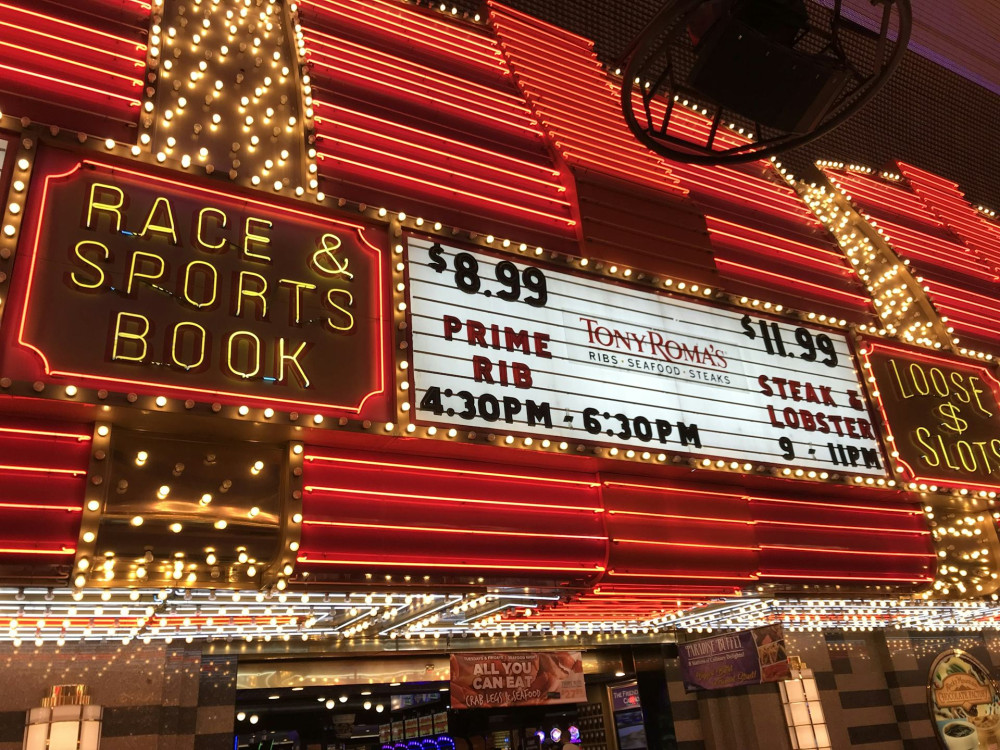
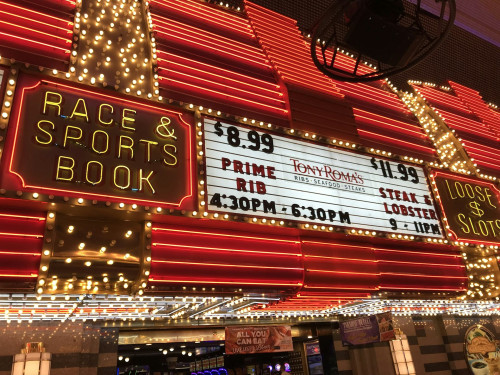
If Monte Carlo was the playground of aristocrats, Las Vegas became the playground of the people. Rising from the Nevada desert in the 1940s, the city transformed from a dusty outpost into a glittering oasis of entertainment. The early years were shaped by organized crime, but that mix of risk and innovation gave birth to the unique Las Vegas spirit.
Icons like The Flamingo, Caesars Palace, and The Bellagio redefined what a casino could be. They weren’t just gambling halls—they were immersive experiences combining gaming, architecture, fine dining, and world-class entertainment. Las Vegas turned the casino into a total spectacle, where visitors could lose at the tables but still feel like winners in the city of lights.
Macau – The Eastern Powerhouse
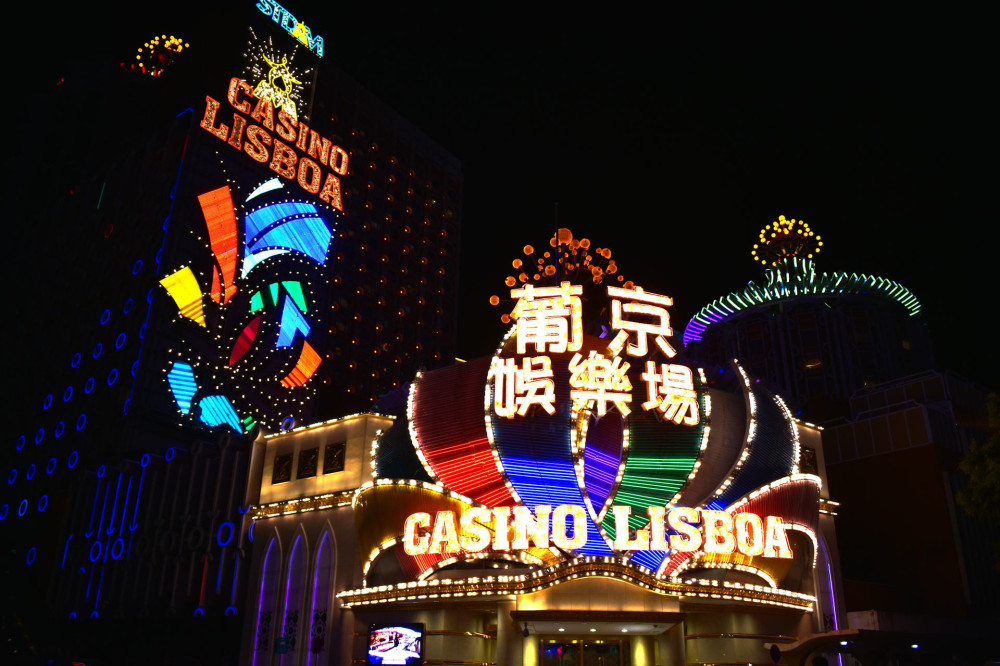
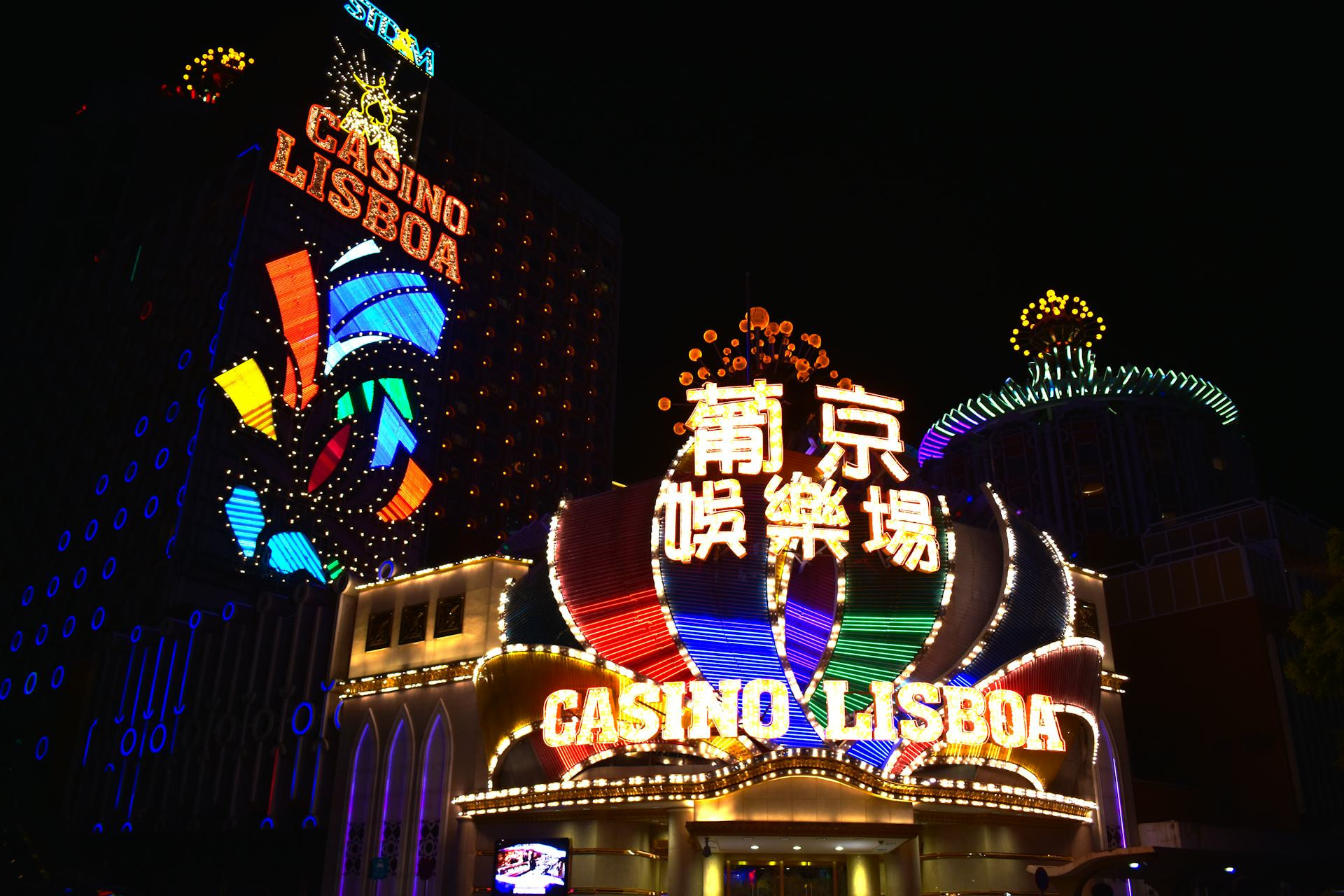
Today, the world’s largest gaming hub isn’t in the United States but in China. Macau, a former Portuguese colony, has since the early 2000s overtaken Las Vegas in gaming revenue. Here, Eastern tradition meets Western luxury in a dazzling display of scale and technology.
Casinos like The Venetian Macau and City of Dreams are not mere replicas of their Vegas counterparts—they are grander, more technologically advanced, and deeply integrated into a broader entertainment ecosystem. Macau has turned gaming into a cultural industry, blending shopping, dining, and performance into one seamless experience. It represents the globalization of casino culture and the evolution of gaming into a mainstream leisure pursuit.
Atlantic City – The Rise and Fall of an American Dream
In the 1970s, Atlantic City, New Jersey, sought to become the East Coast’s answer to Las Vegas. Legalized gambling in 1976 sparked a boom, and casinos like Resorts International and Trump Plaza drew millions of visitors. For a time, the city symbolized American optimism and the promise of economic revival.
But competition from Las Vegas, Native American casinos, and later online gaming eroded its dominance. Many casinos closed, and the city has struggled to reinvent itself. Atlantic City’s story is a reminder that the casino industry, like luck itself, is unpredictable—shaped by shifting economies, technologies, and tastes.
Læs også:


The Digital Revolution – Casinos Without Walls
The 1990s brought a new frontier: the online casino. Suddenly, blackjack, roulette, and poker could be played from home. This innovation transformed gaming into a global, 24/7 phenomenon. The casino was no longer a physical destination but a digital experience accessible to anyone with an internet connection.
Today, online gaming is a multibillion-dollar industry. Live dealers, virtual reality, and mobile platforms have made the experience more immersive than ever. The digital age has democratized gambling, extending the legacy of the great casinos into cyberspace while challenging traditional notions of what a casino can be.
The Cultural Legacy of Casinos
Casinos have always mirrored their times. They are places of dreams, decadence, and daring—but also of innovation and social change. From Monte Carlo’s aristocratic salons to Macau’s futuristic mega-resorts, they tell the story of humanity’s enduring desire to test fate and chase fortune.
Though the forms evolve, the essence remains: the thrill of risk, the hope of reward, and the allure of belonging to something larger than life. Casinos are not merely places to play—they are the halls of legends, where the history of gaming continues to be written.
Læs også: