Listen to Your Body: How to Avoid Overtraining and Injuries

Listen to Your Body: How to Avoid Overtraining and Injuries
Exercise should make you feel stronger and more energized—not drained and discouraged. Yet many fitness enthusiasts find themselves hitting a wall, feeling constantly tired, or dealing with nagging aches that won’t go away. Overtraining and injuries often happen when we ignore what our bodies are trying to tell us in the pursuit of faster results. Whether you’re into running, weightlifting, or team sports, the key is balance—between effort and recovery. Here’s how to tune in to your body and stay healthy, strong, and injury-free.
What Is Overtraining?
Overtraining occurs when your body doesn’t get enough time to recover between workouts. Muscles, joints, and the nervous system need rest to rebuild and adapt. When that recovery window is too short, performance drops, fatigue sets in, and the risk of injury increases.
Common signs of overtraining include:
- Persistent fatigue, even after rest days
- Plateau or decline in performance
- Soreness that lingers for days
- Irritability or loss of motivation
- Trouble sleeping or changes in appetite
If you notice several of these symptoms, it’s a signal that your body needs a break—not more intensity.
Recovery Is Part of Training
Rest days aren’t wasted time—they’re when your body actually gets stronger. During exercise, muscle fibers break down; during rest, they rebuild, becoming more resilient. Without that recovery process, you’re just wearing yourself down.
Make recovery a non-negotiable part of your training plan:
- Active rest: light cycling, walking, or yoga
- Sleep: aim for 7–9 hours per night to support repair and hormone balance
- Nutrition: fuel with protein, complex carbs, and plenty of fluids
- Variety: alternate between hard and easy training days
A good rule of thumb: the harder you train, the more recovery you need afterward.
Know the Difference Between Good and Bad Fatigue
After a solid workout, you might feel pleasantly tired but still energized—that’s good fatigue. It means your body worked hard but is adapting well. Bad fatigue feels heavy, lingering, and joyless. It’s often accompanied by soreness that doesn’t fade or a sense that you’re “running on empty.”
Learning to recognize the difference takes awareness and honesty. If you feel drained, scale back. Taking an extra rest day rarely sets you back—but ignoring warning signs can.
Prevent Injuries with Variety and Good Technique
Many injuries stem from repetitive movements or ramping up too quickly. Running the same route at the same pace every day, for example, stresses the same muscles and joints over and over. The solution? Mix it up.
- Rotate between different types of workouts—running, cycling, strength training, swimming
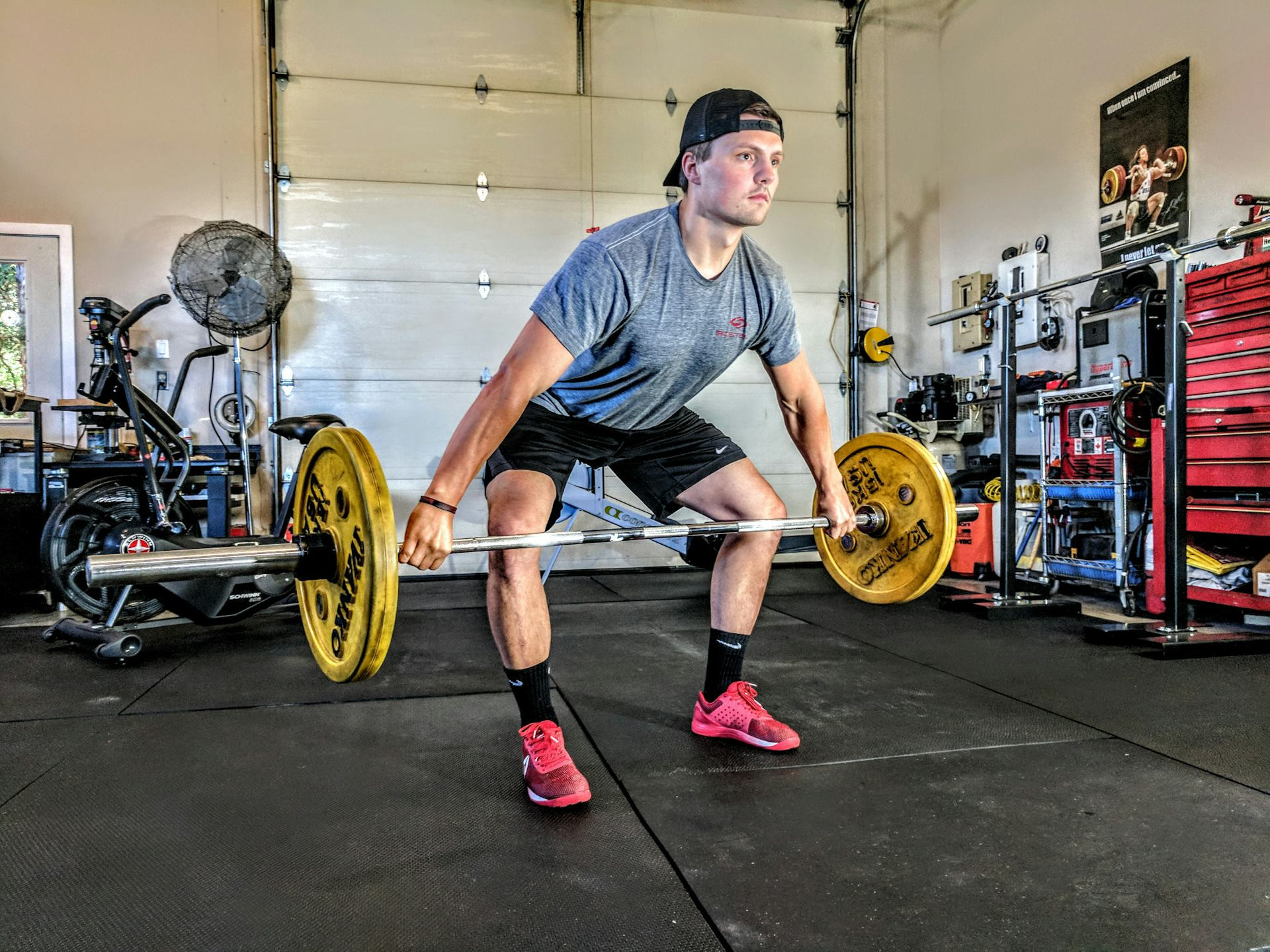
- Focus on proper form and posture—small adjustments can prevent major problems
- Warm up and cool down consistently
- Increase intensity or mileage gradually—no more than 5–10% per week
Progress might feel slower, but it’s the safest path to long-term success.
Don’t Overlook Mental Balance
Overtraining isn’t just physical—it’s mental too. Many people get caught up in the “more is better” mindset. But fitness should enhance your life, not become a source of stress. If you feel pressured to perform or guilty for resting, it might be time to reset your goals.
Shift your focus from outcomes to the process. Enjoy the movement, the progress, and the sense of strength—not just the numbers on your watch or scale. Mental balance is a crucial part of staying healthy.
Læs også:



When Injury Happens
Even with the best intentions, injuries can still occur. The key is to respond quickly. Don’t ignore pain that lasts more than a few days. Rest, and if needed, consult a physical therapist or sports medicine specialist. A short break now can save you months of frustration later.
Use downtime to work on areas you often neglect—mobility, stability, and balance. You’ll come back stronger and more resilient.
Train Smart, Not Just Hard
Listening to your body doesn’t mean training less—it means training smarter. When you respect your body’s signals, you get more out of your workouts and reduce your risk of setbacks. That’s the best investment you can make in your health and fitness.
So next time you feel fatigue, pain, or resistance, pause for a moment. It might not be weakness—it might be wisdom. Your body knows what it needs. Listen to it.
Læs også: