Movement Against Stress – How Gentle Activity Can Ease Stress Without Intense Exercise


Movement Against Stress – How Gentle Activity Can Ease Stress Without Intense Exercise
Stress has become a constant companion for many Americans. Work demands, family responsibilities, financial worries, and the pressure to stay connected can keep our bodies in overdrive—often without us realizing it. But there’s a simple, natural way to calm the system: movement. Not necessarily intense workouts, but gentle, consistent activity that helps the body and mind find balance again.
The Body as a Release Valve for Stress
When we’re stressed, the body reacts as if we’re facing a physical threat. Heart rate rises, muscles tense, and hormones like adrenaline and cortisol flood the system. This “fight or flight” response is useful in short bursts, but when it lingers, it wears us down physically and mentally.
Movement acts as a release valve. A walk around the block, a slow bike ride, or a few light stretches help the body burn off stress hormones and restore calm. It’s not about pushing limits—it’s about giving the body a chance to reset through rhythm and motion.
The Power of a Simple Walk
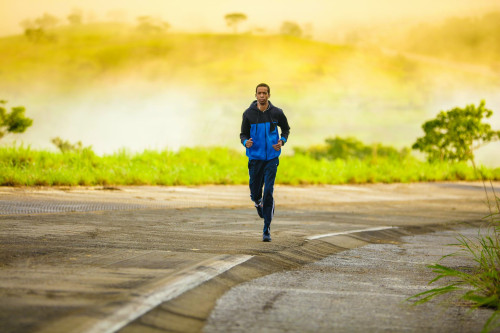
One of the most effective ways to ease stress is also one of the simplest: walking. A daily 20–30 minute walk can lower blood pressure, improve sleep, and give the mind a break from constant stimulation. It’s especially powerful when done outdoors, where natural light, sounds, and fresh air engage the senses.
Try leaving your phone in your pocket and focus instead on your surroundings. Notice the sound of your footsteps, the feel of the breeze, and the rhythm of your breathing. This kind of mindful walking is a form of active meditation—moving the body while calming the mind.
Læs også:


Small Movements That Make a Big Difference
You don’t need to carve out an hour for a workout to feel the benefits. Small movements throughout the day can make a real difference in how your body handles stress. Take the stairs instead of the elevator, park a little farther from the store, or do a few stretches between meetings.
Consistency matters more than intensity. The body responds positively to regular movement, and even short bursts of activity can bring a sense of control and calm in a busy day.
Gentle Activities That Work
If you want to combine movement with mental relaxation, there are many options that don’t require breaking a sweat:
- Yoga or stretching – releases tension and improves breathing.
- Tai chi or qigong – slow, flowing movements that enhance balance and focus.
- Swimming – the water’s resistance and rhythm soothe the nervous system.
- Leisure cycling – offers fresh air and gentle motion without strain.
What these activities share is the blend of movement and mindfulness. That combination is what makes them so effective against stress.
When Movement Becomes a Break, Not a Burden
Many people associate exercise with performance—running faster, lifting heavier, or losing weight. But when the goal is to reduce stress, movement shouldn’t feel like another task on your to-do list. It should be a pause—a moment of freedom where you don’t have to achieve anything.
Find an activity you genuinely enjoy. Maybe it’s walking with a friend, listening to music while you stretch, or taking a quiet swim. The more you connect movement with pleasure, the easier it becomes to make it a regular part of your life.
An Investment in Calm and Resilience
Movement isn’t a miracle cure, but it’s a natural way to help the body find balance. Regular gentle activity strengthens not only muscles and circulation but also the nervous system’s ability to relax. The results show up as better sleep, more energy, and a greater capacity to handle life’s pressures.
So the next time stress starts to build, don’t fight it with willpower alone. Step outside, move at your own pace, and let your body do what it was designed to do—move.
Læs også: