Meaning in the Darkness: Finding Strength and Purpose Amid Grief


Meaning in the Darkness: Finding Strength and Purpose Amid Grief
Grief is one of the most universal human experiences—and one of the most isolating. When we lose someone we love, the world changes. Colors fade, time slows, and the rhythm of daily life falls apart. Yet even in the darkest moments, there can be a quiet movement—a search for meaning, for strength, and for a new sense of purpose. This article explores how, slowly and without forcing it, we can begin to find our way through grief.
The Many Faces of Grief
Grief is not a single emotion but a landscape of them. It can appear as sadness, anger, guilt, relief, or emptiness. For some, it comes in waves; for others, it lingers like a fog. There is no right or wrong way to grieve.
What matters most is giving grief space. Many people try to “move on” too quickly, but grief is not something to get over—it’s something to live through. Talking with someone—a friend, a counselor, a pastor, or a support group—can help. So can writing down your thoughts. Putting words to pain can be the first step toward understanding it.
Finding Strength in Small Things
When everything feels meaningless, even the smallest actions can matter. Getting out of bed, taking a shower, walking the dog, or making a cup of coffee can be small victories. They remind us that life continues, even when it hurts.
Some people find strength in routine, others in nature or physical activity. It’s not about escaping grief but about creating small moments where you can breathe. Over time, these moments can become the building blocks of a new life—a life where grief still exists, but doesn’t consume everything.
Meaning as a Journey, Not a Destination
After a loss, the question “why?” can take over. But maybe meaning isn’t something we find once and for all. Maybe it’s something that grows as we live. Meaning can emerge in how we choose to move forward, in the values we hold onto, and in the love we continue to carry.
For some, meaning comes through helping others—volunteering, supporting those who are grieving, or creating something that honors the person they lost. For others, it’s about simply being present, allowing life to take shape again. Meaning isn’t a decision; it’s something that unfolds when we stay in the darkness long enough to see the light return.
When Grief Changes
With time, grief changes. It doesn’t necessarily get smaller, but it becomes different. It shifts from being overwhelming to being a part of your story—a quiet echo that reminds you of who and what you’ve loved.
Accepting that grief may never fully disappear can be a relief. It becomes a testament to the depth of love. And in that, there is a kind of peace.
Reaching Out—and Letting Others In
Many people, especially men, find it hard to talk about grief. They feel they have to be strong or hide their vulnerability. But strength isn’t about holding pain inside—it’s about daring to share it. Reaching out to others can be one of the bravest things you do.
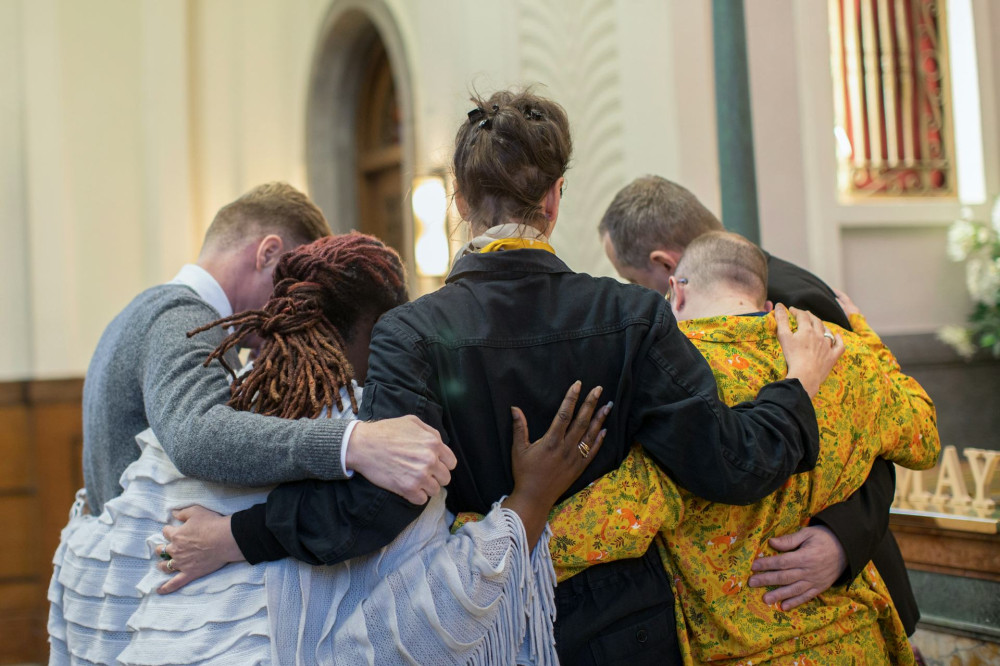
Equally important is allowing others to reach out to you. Accepting help, a meal, a conversation, or simply someone’s presence can make a difference. Grief is best carried together, even when words fall short.
Læs også:


A Life with Both Light and Darkness
Finding meaning in the darkness doesn’t mean being grateful for the loss. It means learning to live with it—to make space for both sorrow and joy. Life won’t be the same as before, but it can still be rich, beautiful, and worth living.
Grief changes us, but it can also open us. It can make us more aware of what truly matters and more present with others. In that awareness lies a quiet strength—and perhaps the very meaning we’ve been searching for.
Læs også: