Structure in Grief – Small Routines That Bring Calm


Structure in Grief – Small Routines That Bring Calm
When grief enters your life, everything can feel unsteady. Thoughts scatter, the body feels heavy, and days blur together. In that fog, even simple tasks can seem impossible. Yet, in the midst of loss, structure and small routines can offer quiet support—not as a cure, but as a way to find steadiness when everything else feels uncertain. Here are some ways that gentle daily habits can bring calm and help you breathe again as you slowly find your footing.
When Everything Falls Apart
Grief can take many forms—after a death, a breakup, an illness, or the loss of something that once gave life direction. What they share is disruption. Sleep becomes restless, appetite fades, and time loses its rhythm. These are natural reactions, but they can make it hard to get through the day.
That’s where structure can help. Not as pressure to “move on,” but as a way to create small islands of predictability in a time when so much feels out of control.
Læs også:



Small Routines That Make a Difference
Routines may seem trivial, but they serve an important psychological purpose: they give the mind something familiar to hold onto. It can be as simple as getting out of bed at the same time each morning, taking a shower, or stepping outside for a few minutes. The goal isn’t productivity—it’s rhythm.
- Begin the day with a gentle ritual. Light a candle, sip your coffee in silence, or jot down a few lines in a journal. Marking the start of the day can bring a moment of calm.
- Move your body. A short walk, stretching, or tending to the garden can ease tension and release endorphins that help lift the heaviness of grief.
- Keep regular meals. Even when food doesn’t appeal, eating at consistent times helps your body stay balanced and supports emotional healing.
- Create an evening wind-down. Read a few pages of a book, listen to soothing music, or write down your thoughts before bed. A simple nighttime ritual can help your mind settle and improve sleep.
These small actions may seem insignificant, but together they weave the beginnings of a new daily rhythm.
Structure as Support, Not Control
It’s important to remember that structure isn’t meant to suppress grief—it’s meant to hold it. Some days, routines will come easily; other days, they’ll feel impossible. That’s okay. The point isn’t to do everything “right,” but to have something to return to when you can.
Allow yourself to adjust. You might need more rest one day and more movement the next. Grief moves in waves, and your structure can move with it.
Finding Meaning in the Repeated
When you’re grieving, the world can feel stripped of meaning. But in small, repeated acts—making coffee, watering plants, walking the same path—there can be quiet comfort. These gestures remind us that life continues, even when it hurts.
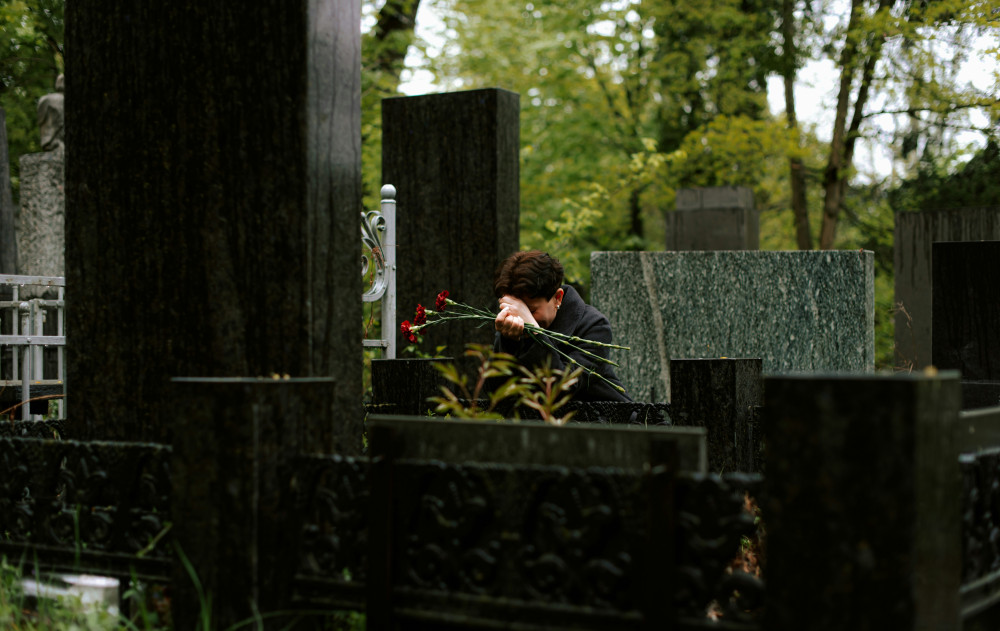
Some people find solace in creating new rituals that honor the person they’ve lost: lighting a candle at a certain time, visiting a meaningful place, or writing letters they never send. These acts can help maintain a sense of connection while gently moving forward.
When You Need Help
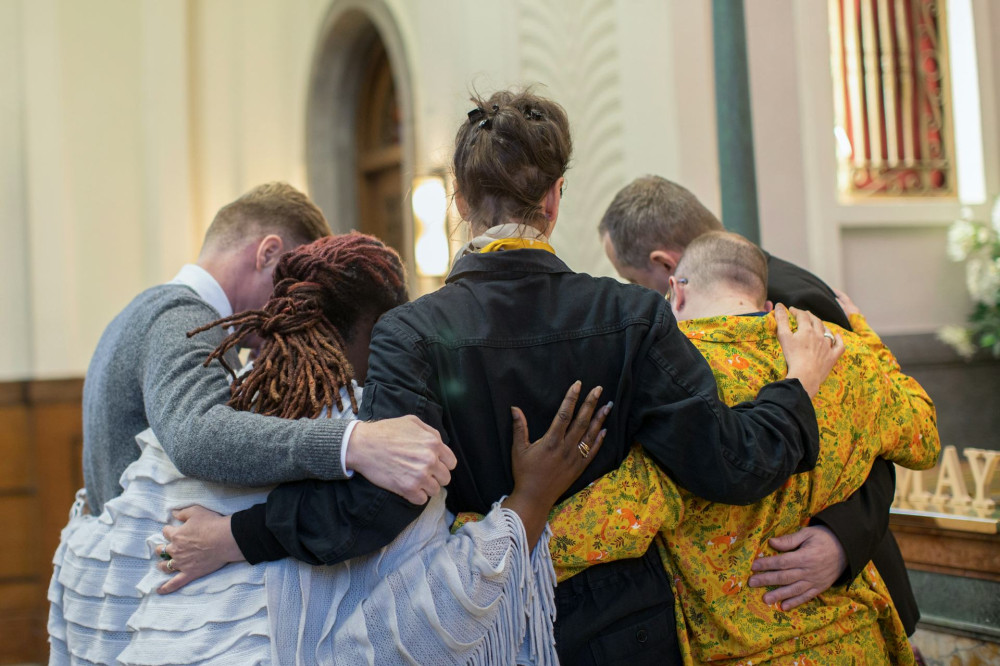
Even with good routines, grief can feel overwhelming. If daily life feels stuck or you lose interest in everything, it may help to talk with someone—a friend, a counselor, a faith leader, or a grief support group. Sharing your grief doesn’t make it smaller, but it can make it easier to carry.
Creating structure in grief isn’t about erasing pain; it’s about giving it a place to rest. Over time, those small routines can become steps—not out of grief, but toward a life where it can exist alongside love, memory, and the quiet possibility of peace.
Læs også: