Guest-Friendly Meals Made Easy: How to Create a Menu Everyone Will Enjoy

Guest-Friendly Meals Made Easy: How to Create a Menu Everyone Will Enjoy
Hosting friends or family for dinner can be both exciting and a little nerve-wracking. Between dietary preferences, allergies, and personal tastes, it’s easy to feel overwhelmed trying to please everyone. But creating a menu that’s inclusive, delicious, and stress-free doesn’t have to be complicated. With a bit of planning and flexibility, you can serve a meal that makes every guest feel welcome—and lets you enjoy the evening, too.
Here’s how to design a guest-friendly menu that works for everyone.
Start with Flexibility
The secret to a crowd-pleasing menu is flexibility. Instead of preparing one fixed dish, think in terms of components that guests can mix and match to suit their preferences.
A build-your-own setup is a great way to do this. Try a taco bar with a variety of fillings and toppings, a pasta station where guests can choose between sauces and proteins, or a salad spread with plenty of add-ins. This approach not only accommodates different diets but also encourages a relaxed, interactive atmosphere.
Let Vegetables Take Center Stage
When planning your menu, start with vegetables as the foundation rather than an afterthought. Plant-forward dishes are naturally adaptable and can easily be paired with meat, seafood, or plant-based proteins on the side.
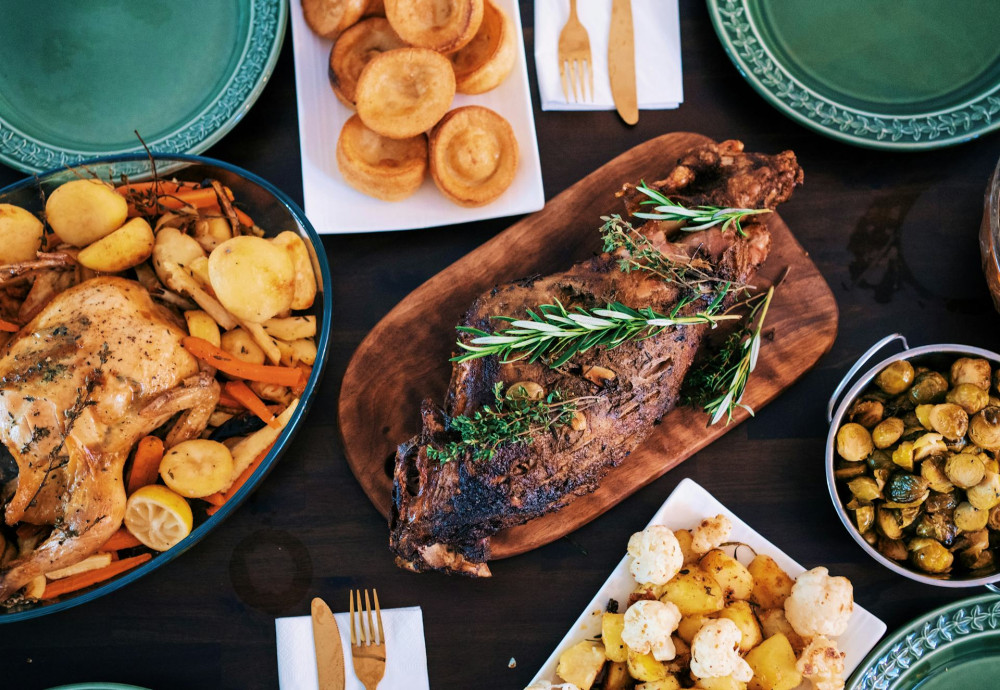
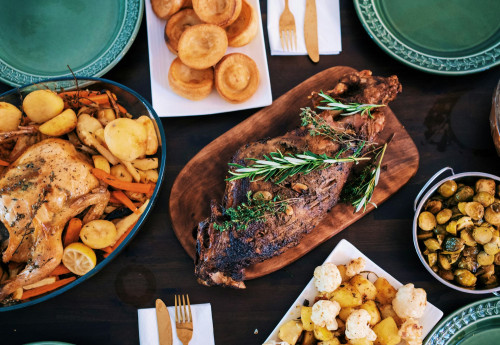
Consider a roasted vegetable platter with seasonal produce, herbs, and grains—it can stand alone as a main course or complement grilled chicken or salmon. Making vegetables the star ensures that everyone, from vegetarians to meat lovers, has something satisfying on their plate.
Plus, colorful produce adds visual appeal and freshness to your table, making the meal feel vibrant and inviting.
Choose Dishes That Adapt Easily
Some recipes are naturally more forgiving and versatile than others. Look for dishes that can handle substitutions without losing their flavor or appeal.
- Lasagna can be layered with meat, vegetables, or lentils for a hearty, customizable option.
- Curries and stews can be made mild or spicy, with chicken, tofu, or chickpeas.
- Salads can be endlessly varied—offer toppings like nuts, cheese, beans, or grilled shrimp.
- Soups are perfect for customization; serve garnishes like croutons, shredded cheese, or fresh herbs on the side.
By choosing adaptable recipes, you can easily accommodate different needs without doubling your workload.
Læs også:


Don’t Forget the Details
Small touches can make a big difference in making everyone feel included. Think about side dishes, condiments, and desserts that offer variety.
- Bread: Serve a crusty baguette alongside a gluten-free option.
- Dressings: Offer both creamy and dairy-free vinaigrette choices.
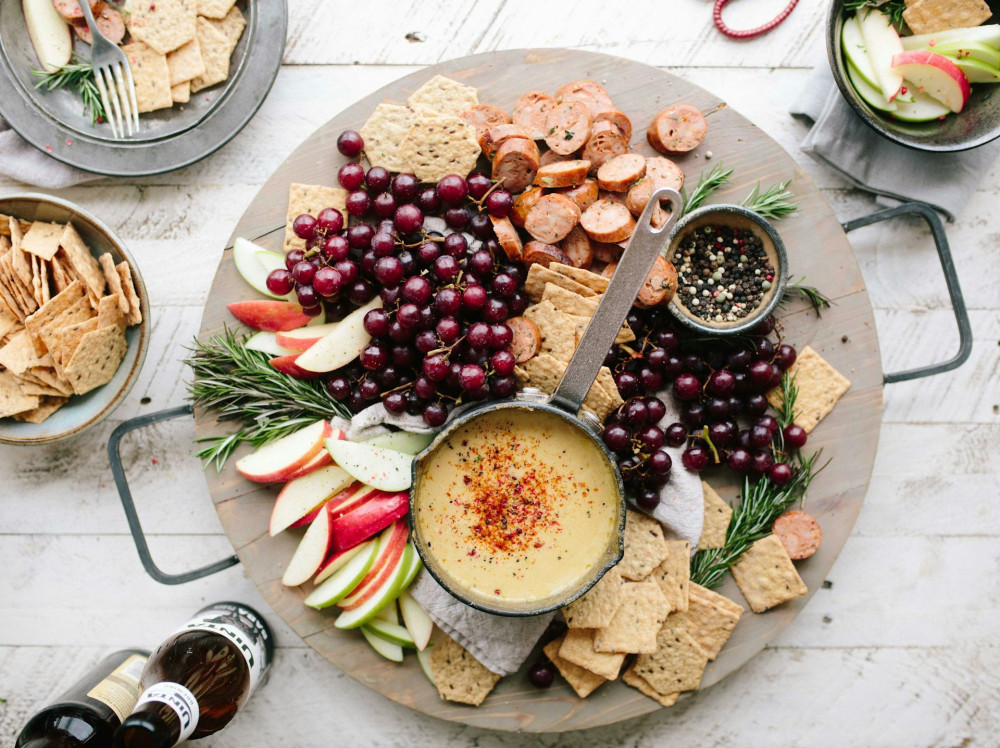
- Desserts: A fruit platter, brownies, or mini cheesecakes can be mixed and matched so everyone gets a treat they can enjoy.
You don’t have to make everything from scratch—store-bought items can be elevated with thoughtful presentation and a personal touch.
Keep It Simple for Yourself
A great host knows that the best gatherings are the ones where everyone, including the cook, can relax. Choose dishes that can be prepared ahead of time or that don’t require last-minute fussing.
A slow-cooked chili, baked pasta, or make-ahead dessert like tiramisu or fruit crisp can all be prepared in advance. Set the table early, organize your serving plan, and give yourself time to enjoy your guests’ company instead of being stuck in the kitchen.
Create a Welcoming Atmosphere
At the end of the day, the goal isn’t perfection—it’s connection. When you serve food that’s designed to be shared and customized, you’re sending a message that everyone belongs at your table.
Set out the dishes family-style, encourage guests to help themselves, and focus on the laughter and conversation. A relaxed, inclusive meal is what people will remember long after the plates are cleared.
With a little planning and creativity, you can host a dinner that’s easy, enjoyable, and truly guest-friendly.
Læs også: