Teamwork in the Kitchen: Divide the Roles and Get More Joy Out of Cooking

Teamwork in the Kitchen: Divide the Roles and Get More Joy Out of Cooking
Cooking can be one of the most rewarding parts of daily life — but it can also be stressful when one person carries all the responsibility. By sharing the tasks and turning cooking into a team effort, the kitchen can become a place for connection, learning, and fun instead of pressure and routine. Here’s how you can bring more teamwork — and joy — into your cooking, whether you’re preparing dinner with your partner, your kids, or friends.
Make Cooking a Shared Experience
The first step toward better teamwork in the kitchen is a shift in mindset: cooking isn’t just about getting food on the table, it’s an activity in itself. When more people take part, the process becomes lighter, more social, and often more creative.
Start by planning the meal together. Talk about what everyone’s in the mood for and let each person contribute ideas. This builds a sense of ownership and excitement. For couples, it can be a relaxing way to unwind after a long day. For families, it’s a chance for kids to learn about ingredients, flavors, and responsibility.
Læs også:
Divide the Roles — and Play to Your Strengths
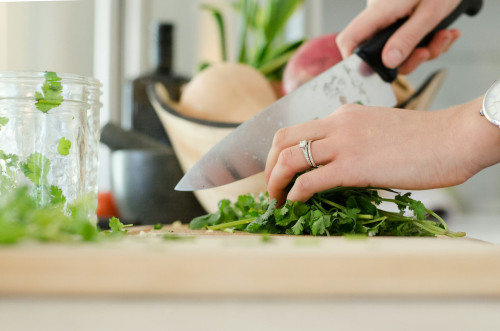
Good teamwork means recognizing each person’s strengths. Some people are great at chopping vegetables, others at seasoning or keeping track of timing. By dividing roles based on skills and interest, you can avoid chaos and frustration.
Here are a few roles that can make cooking more organized and enjoyable:
- The Chef – takes the lead on the recipe and keeps an eye on the overall process.
- The Sous Chef – assists with prep work, stirring, and tasting.
- The Ingredient Manager – makes sure everything is ready and nothing is missing.
- The Cleanup Captain – keeps the workspace tidy and handles dishes as you go.
If you’re cooking with kids, give them small, manageable tasks like setting the table, rinsing vegetables, or stirring the sauce. It helps them feel involved and proud of their contribution.
Create a Positive Kitchen Atmosphere
A kitchen that runs on teamwork should also be a place with good energy. Put on some music, light a candle, and make it cozy. The goal isn’t perfection — it’s to enjoy the process.
Try not to correct others too much, especially if they’re less experienced. Instead of pointing out mistakes, show how you do it and invite them to try again. Encouragement builds confidence and keeps the mood light.
For couples, cooking together can be a great time to talk about anything but work or chores. It’s a shared creative space where you can connect and have fun.
Plan and Prep Together
A big part of cooking success comes from planning. When you shop and prep together, it’s easier to keep the week running smoothly. Create a weekly meal plan and decide who’s responsible for which days or dishes.
You can also try “chef nights,” where one person chooses the menu and leads, while the other assists. It keeps things fresh and gives everyone a chance to shine. In families, let kids pick a meal once a week — it boosts their interest and appetite.
Learn from Each Other
Cooking together is also a chance to learn new skills. Maybe your partner has a special way of making gravy, or you’ve mastered crispy roasted vegetables. Sharing techniques helps everyone improve — and makes the experience more rewarding.
Challenge yourselves with new recipes that require teamwork, like homemade pasta, sushi, or a three-course dinner for guests. When you succeed together, it feels like a shared victory.
Make Cleanup Part of the Teamwork
Cleanup isn’t the most glamorous part of cooking, but it’s much easier when everyone helps. Decide ahead of time who washes and who dries. Cleaning as you go keeps the kitchen manageable and the mood upbeat.
Turn cleanup into a natural part of the routine — maybe with some music or a cup of coffee in hand. Keeping the good energy going until the very end makes a big difference.
Teamwork Brings Joy — and Better Meals
When you divide the roles and work together in the kitchen, cooking becomes not just easier, but more enjoyable. You get to know each other better, build new habits, and create small moments of connection in everyday life.
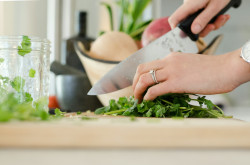
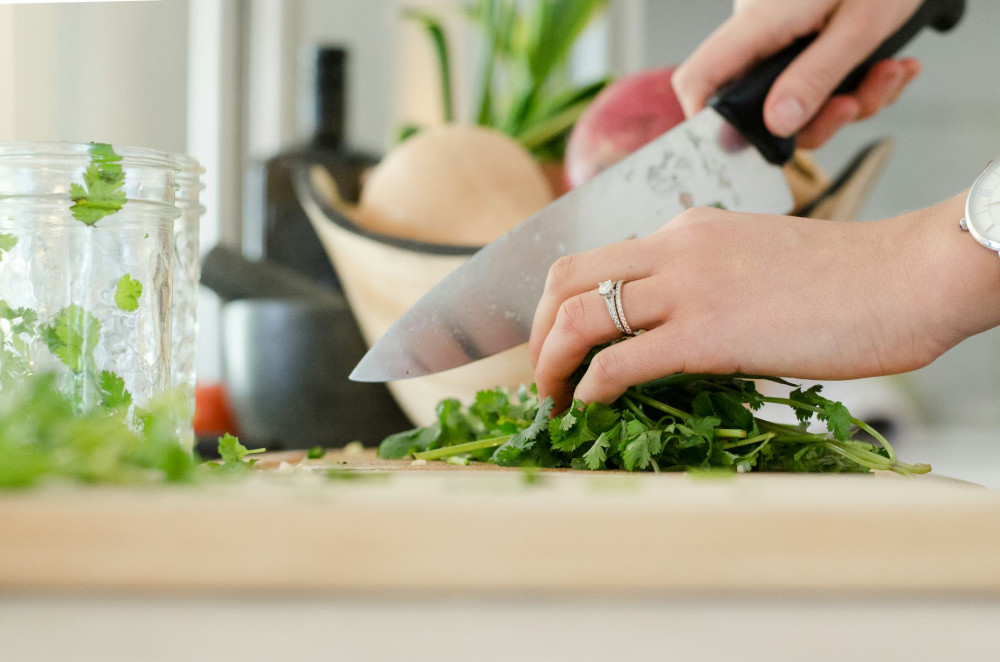
In the end, cooking is about more than food. It’s about togetherness, creativity, and the joy of making something side by side. All it takes is picking up a knife — and making room for someone next to you.
Læs også: